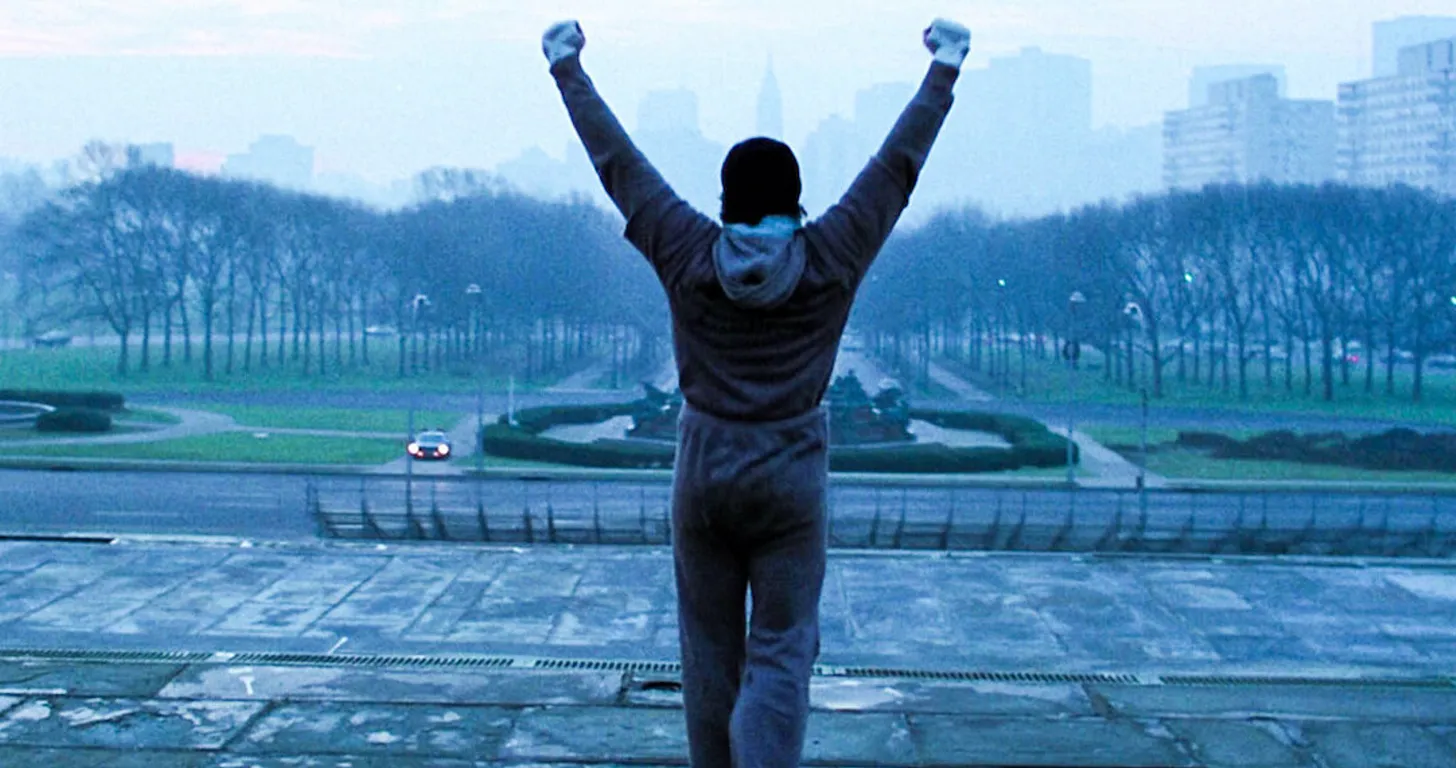
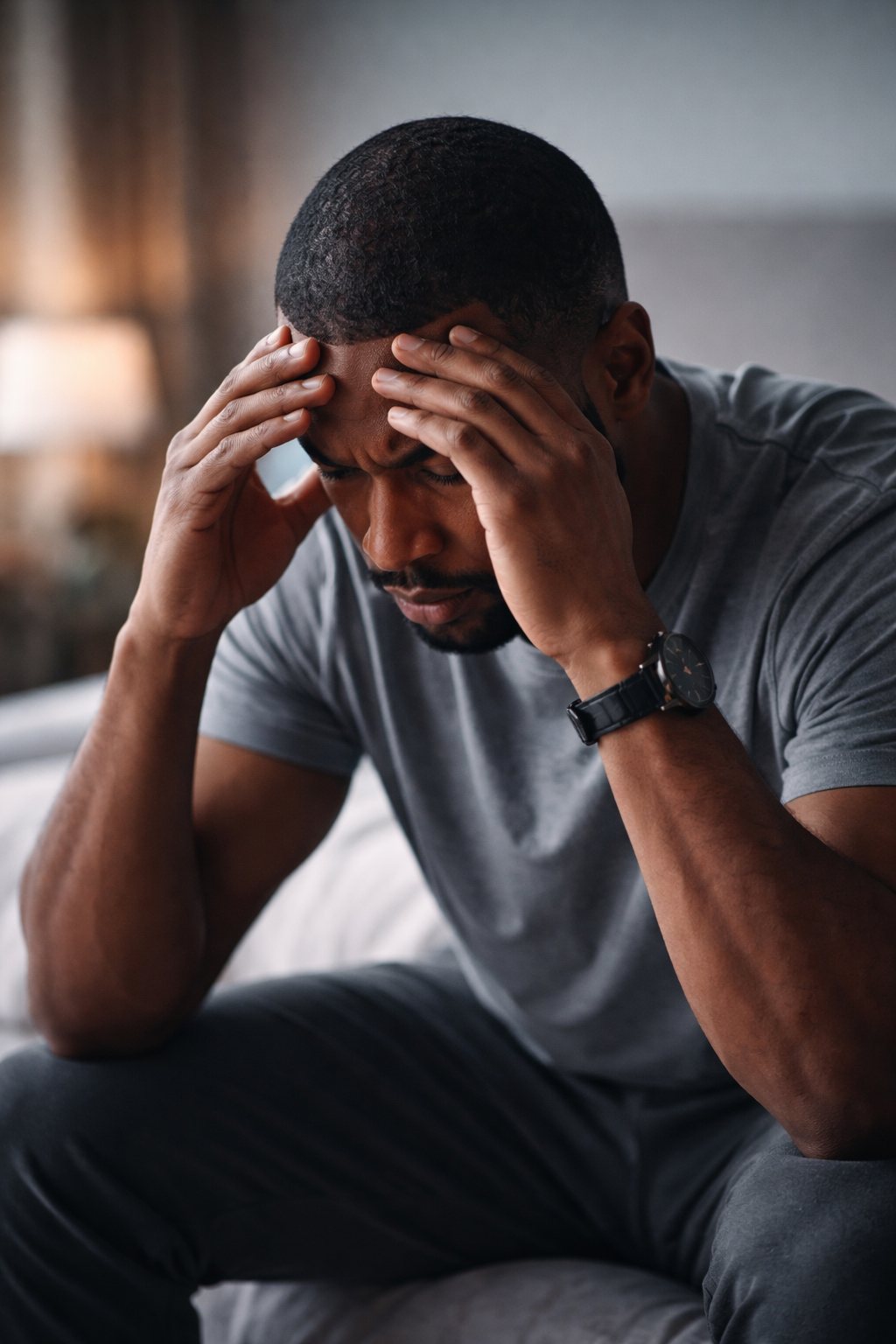
What if the strongest men you know are also the most emotionally exhausted?
For years, men have been taught how to endure pressure — but not how to process it. Strength became silence. And silence became survival.
For generations, when life gets hard, men have been told to be strong, to “suck it up,” to push through, and to deal with things quietly. This mindset has shaped the role of men in society for years. Along with it came a set of expectations that create a kind of silent pressure — one that only grows heavier over time.
From a young age, many boys are taught to toughen up. They are expected to handle the rough play, volunteer for the hard tasks, and take on what others may not want to do. Strength becomes their identity. And while this image of strength makes men heroes in many ways, it often comes at a cost: their emotional and mental well-being.
For many men, women become the “safe” or nurturing space. Yet even within relationships, the idea of men being fully vulnerable can feel unfamiliar or uncomfortable — for both partners. The truth is, many men were never taught how to be vulnerable in the first place.
So instead of speaking, they shut down.
Instead of expressing hurt, they become distant.
Instead of saying “I’m overwhelmed,” it may come out as irritability, silence, or emotional withdrawal.
They may appear cold or unavailable, not because they don’t care, but because they don’t know how to process what they are feeling — or even how to name it.
This is where men’s mental health often hides: behind responsibility, behind performance, behind “I’m fine.”
So the real question becomes: How do we continue to raise strong men while also growing their emotional bandwidth to navigate life?
Yes, as a society, we have made progress. We speak more openly about mental health than we used to. We acknowledge its importance. But we are still behind when it comes to the emotional world of men. And in many ways, we are doing them a disservice by expecting strength without teaching emotional skills.
So where do we start?
We start by creating space.
Space where men can speak.
Space where they can be heard.
Space where they don’t have to perform strength, fix everything, or rush to solutions.
Sometimes what heals isn’t advice. It isn’t problem-solving. It’s being able to say, “This is heavy,” and having someone sit with you in it.
Men don’t need less strength.
They need more room to be human.
Because when men are allowed to feel without shame, speak without fear, and be supported instead of only relied on — that’s when real strength begins.
Reflection
- When was the last time I said “I’m fine” when I wasn’t?
- What emotion feels hardest for me to express — sadness, fear, overwhelm, disappointment?
- Do I have at least one person I can be fully honest with emotionally?
- When I feel stressed, how does it come out — anger, silence, overworking, withdrawal?
- What would it look like for me to define strength differently?
You Don’t Have to Carry It Alone
Healing doesn’t happen through pressure — it happens through understanding.
If this resonates with you or someone you care about, therapy can be a space where strength and vulnerability coexist. You don’t have to carry everything alone.
You deserve support, too